What Is Industrial Production Planning and Control (PPC) and Why It’s Critical for Production Efficiency
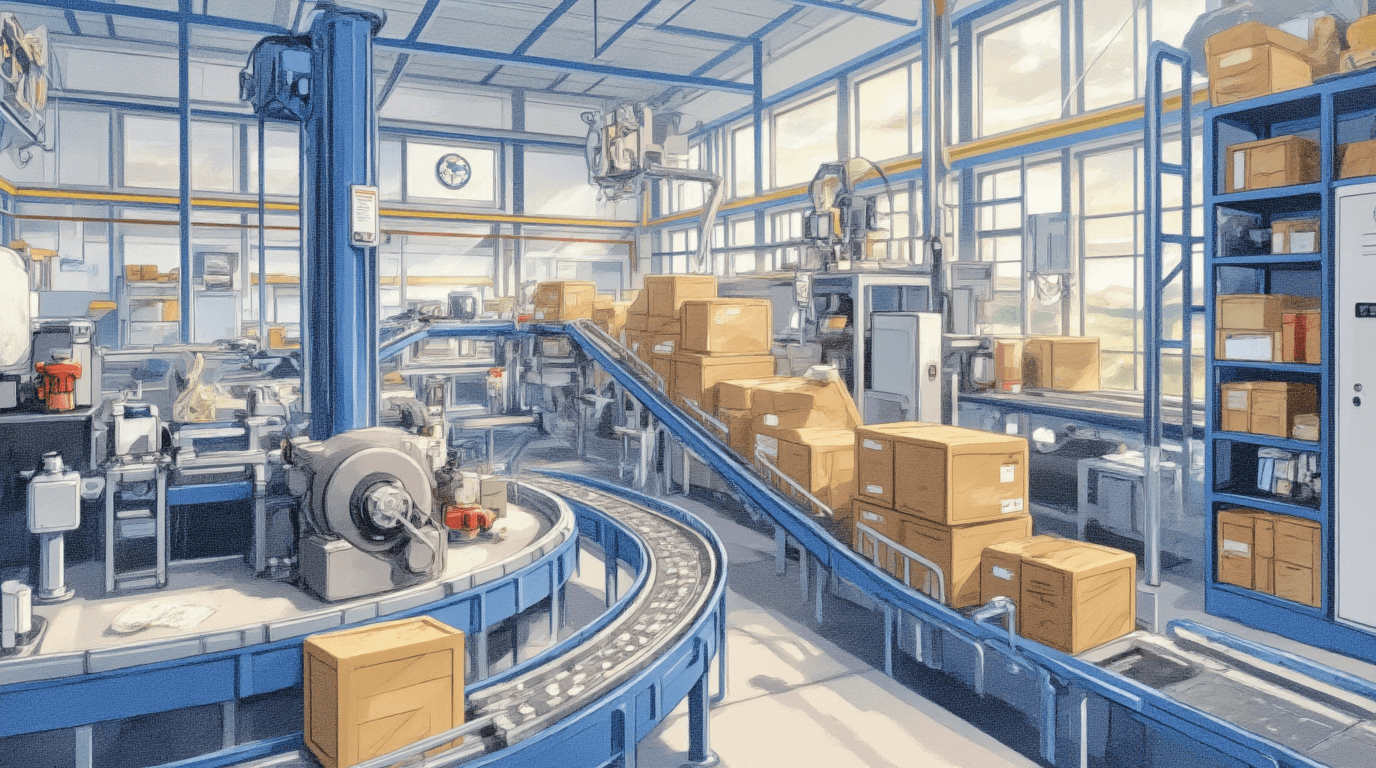

Production Planning and Control (PPC) is one of the most critical functions in industrial manufacturing. It directly impacts production efficiency, cost control, delivery performance, and overall operational excellence. Companies that implement strong PPC practices gain better visibility, reduce waste, and improve their ability to meet customer demand.
In this article, we explain what Industrial PPC is, how it works, and why it is essential for achieving high production efficiency in modern manufacturing environments.
What Is Industrial Production Planning and Control (PPC)?
Industrial Production Planning and Control (PPC) is the process of organizing, scheduling, monitoring, and controlling manufacturing activities to ensure that products are produced efficiently, on time, and at the lowest possible cost.
PPC coordinates key production resources, including:
Raw materials
Labor
Machinery and equipment
Time and production capacity
The primary goal of PPC is to align production output with demand while maximizing productivity and minimizing waste.
Key Objectives of Production Planning and Control
An effective PPC system focuses on:
Ensuring continuous production flow
Meeting delivery deadlines
Reducing production costs
Optimizing resource utilization
Improving production visibility and control
By achieving these objectives, PPC becomes a strategic tool rather than just an operational function.
Main Components of Industrial PPC
1. Production Planning
Production planning defines what will be produced and how much. It includes:
Demand forecasting
Production volume planning
Capacity analysis
Inventory planning
Accurate production planning prevents overproduction, stockouts, and inefficient use of resources.
2. Production Scheduling
Production scheduling determines when and in what sequence products will be manufactured. It involves:
Order sequencing
Machine and labor allocation
Setup time optimization
Bottleneck reduction
Effective scheduling improves workflow balance and reduces idle time across the factory floor.
3. Production Control
Production control ensures execution follows the plan. It focuses on:
Monitoring production progress
Tracking key performance indicators (KPIs)
Comparing planned vs. actual results
Taking corrective actions when deviations occur
This control loop is essential for maintaining efficiency and consistent output quality.
Why Is Production Planning and Control Critical for Production Efficiency?
Improves Manufacturing Efficiency
PPC eliminates uncoordinated activities, reducing downtime, rework, and production delays.
Reduces Waste and Operational Costs
By aligning production with real demand, PPC minimizes excess inventory, material waste, and unnecessary labor costs.
Increases On-Time Delivery Performance
Well-structured planning and control improve schedule reliability, leading to higher on-time delivery rates and better customer satisfaction.
Optimizes Resource Utilization
PPC ensures machines, materials, and workforce are used efficiently, preventing both overload and underutilization.
Enhances Data-Driven Decision Making
With accurate production data, managers can make faster and more informed decisions, improving responsiveness to issues and market changes.
The Role of PPC in Modern Manufacturing and Industry 4.0
In modern manufacturing environments, PPC is increasingly supported by digital tools such as:
ERP (Enterprise Resource Planning) systems
MES (Manufacturing Execution Systems)
Real-time production monitoring
Advanced analytics and forecasting tools
Industry 4.0 technologies enhance PPC by enabling real-time visibility, predictive planning, and automated scheduling, making production more agile and resilient.
Conclusion: PPC as a Competitive Advantage
Industrial Production Planning and Control (PPC) is a fundamental pillar of efficient and competitive manufacturing operations. By integrating planning, scheduling, and control, PPC transforms production into a predictable, cost-effective, and scalable process.
Manufacturers that invest in strong PPC practices are better positioned to improve production efficiency, reduce costs, and meet growing customer expectations in an increasingly demanding market.